Design for participation, not presentation
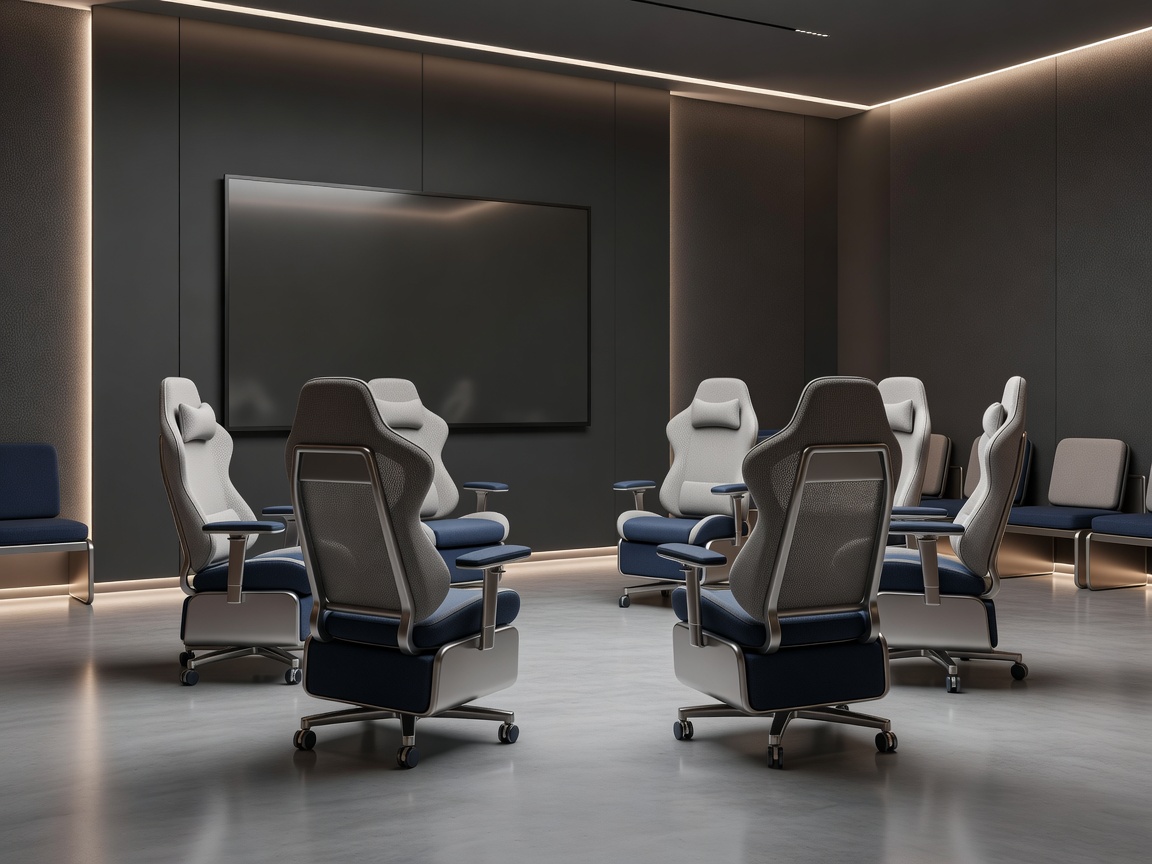
Review can easily become a one-way presentation in which a coach controls the screen while the rest of the team watches passively. Room layout influences whether that happens. A long row facing a display may suit a briefing, but it can make discussion feel formal and discourage players from responding to one another. A more conversational arrangement can bring people into the same visual field and make it easier to share observations.
Begin with the group size and the activity. If the team regularly reviews together, everyone should have a comfortable view without occupying a narrow seat at the edge. If coaches alternate between full-team and small-group conversations, movable chairs or a secondary work surface may help. Avoid layouts that require a complicated furniture reset every time the format changes; adaptable does not mean constantly rearranged.
Build a reliable shared-view setup
The display should be readable from the normal seating positions, with a clear route for the person controlling playback or presentation. Locate inputs, adapters and the controls the team actually uses where they can be found quickly. Label connections if multiple devices are expected. A small, consistent storage location for remote controls, cables and writing materials saves time and reduces the chance that the room begins each session in a different state.
Plan the screen and seating together. Consider glare from windows or task lights, reflections on the display, viewing distance and whether people can comfortably look between the screen and each other. The right solution depends on room dimensions and equipment; test the arrangement from several seats rather than relying on a single central viewpoint. Audio matters as well. A conversation should be intelligible without making the room so isolated that it becomes difficult to monitor or share responsibly.
Support a repeatable coaching routine
Facilities work best when a room reinforces a simple routine. A team might enter, review a defined sequence, capture one or two observations, agree a practice focus and return to stations. The room can help by making the tools visible and by providing a consistent place for notes. A whiteboard or writable surface is useful only if the team has a habit for using it and a way to preserve important decisions. Digital capture can also work, provided the chosen system is available and staff understand its operation.
Think about privacy and acoustics. Review may involve sensitive team discussion or individual feedback. Position the room so its conversation is not unintentionally broadcast into rest areas or through a busy circulation route. Acoustic treatment can improve speech clarity and reduce spill, but it should be considered alongside ventilation, maintenance and the way surfaces will be cleaned. A door or modest buffer can create a helpful boundary without turning the room into a disconnected destination.
Keep it connected to practice
Review is most useful when it closes a loop. Players should be able to move from a shared insight to a clear practice action without spending time searching for equipment or reconfiguring the environment. A short route to the practice floor, a visible timetable or a predictable return routine can help. At the same time, a threshold should signal that the group is switching modes. Where appropriate, separate the review room from loud open play enough to keep conversation focused.
Consider who maintains the room between sessions. Assign responsibility for resetting chairs, checking the display, clearing old notes and returning accessories. If nobody owns the reset, the room may be technically equipped but not ready when needed. Keep storage modest and specific: a few designated places are often more reliable than a large, unstructured cupboard. Match the room’s contents to the actual coaching process, not to a generic list of technology.
Review the room in use
Observe a real session and ask participants what slowed it down. Could everyone see? Was the audio clear? Did the group know where to sit and how to connect? Did the session end with a next action? Note interruptions and repeated workarounds. These observations can point to simple changes such as adjusting a chair layout, controlling daylight, labelling a connection or moving supplies closer.
Do not treat collaboration as an accessory to the main practice space. Team learning needs enough time, a usable setting and a reliable routine. When the review room is designed around participation, transition and follow-through, it becomes part of the training system rather than a room that is used only when the main space is unavailable.
Checklist
- Can each person see the shared material and participate comfortably?
- Are controls, cables and notes easy to locate and reset?
- Does the space protect focused conversation from nearby activity?
- Is the next practice action clear when the review ends?